I’ve spent much of my life thinking everything had to be very black and white, right or wrong. I approached with the idea that anything that is “wrong” then needs to be kept from surfacing and only the good should show. Life isn’t really that black and white though. The more I experience, the more I start seeing that everything is both much more simple and much more complex than I ever had though.

I stop and ask myself if that’s a contradiction, or it can be considered an example of duality. I’m going with the latter. Simplicity shines through when we acknowledge that we come equipped with the tools to succeed in life. Sure, we all come from different situations and that appears to complicate things and make us call into question whether everyone really does have all of the tools they need. The tools are internal though, they come intrinsically with the condition of humanness. You are human, the tools are there.
Complexity comes when we factor in that despite having the tools we need, our humanness also comes with a unique perspective, experience, set of preferences, external conditions, etc. This means that even having all of the tools, yours will require a different approach than someone else’s may even if you are hoping for the same results because the tools are simply one part of the equation. Learning the best way to maximize your chance of success is to take the time to get personal, with yourself, and learn the best way for you to achieve the results you want. What is going to work best to allow you to build the life you want?
I picked up keeping to myself early in life in an effort to better learn to adapt to my surroundings. While it sounds like being adaptive would do the opposite of allow you to get to know yourself, the opposite seemed to be true. The more I tried on things that were not “me” in hopes of camouflaging myself, the more it became apparent that they didn’t fit. When you’re becoming less and less yourself each time your around people and trying disguises on, it encourages you to spend ample time withdrawn from people in an attempt to recharge the drain on your energy that all of that acting does. This left me being very aware of myself, learning my tools, but never showing anyone that I can use them because I was afraid they’d tell me I was doing it wrong – differently than they were.
I’m a lot more prone to picking up other people’s opinions, suggestions, judgments than I would like to be – it’s something I’m working on. The thing is, not trusting that I know myself and always taking on other people’s will for me has meant that I greatly prefer to keep my privacy in tact in an effort to minimize the amount I have to deal with those sorts of confrontations. I find myself craving privacy so that I can be more freely me with ease.
I think it is easy to say that privacy is something that we are entitled to, but at one point does the lack of sharing become secrecy? Secrecy is after all, arguably, much less acceptable of a concept to put into practice. The two seem to walk a fine line though, or at least for me. Perhaps it’s the fact that I find secrets to be exciting so I let them walk a bit closer to my need for privacy than would be ideal – likely in hopes that a few of them will blend in well enough to allow them to pass.
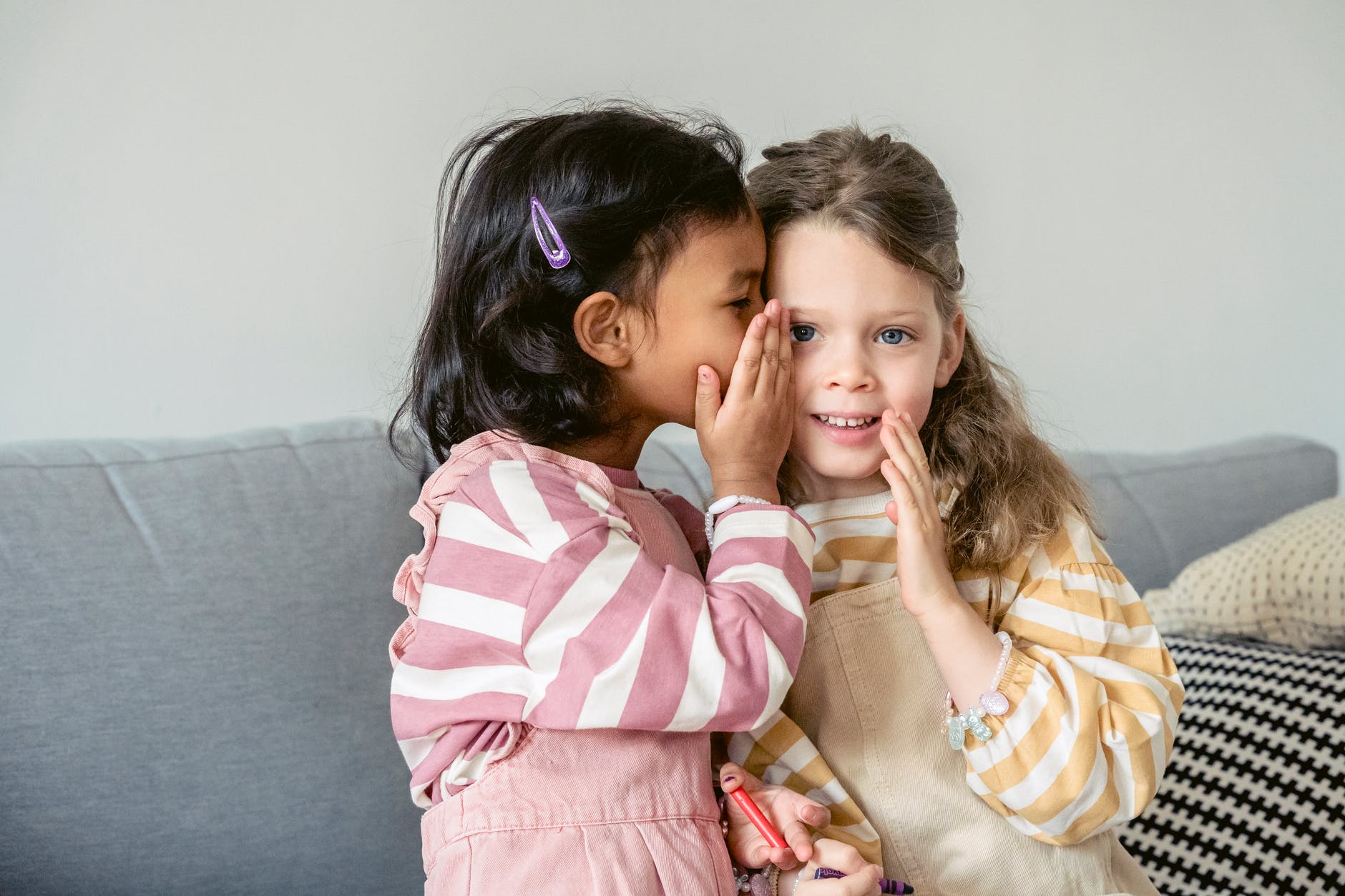
Maybe the simple difference is the way manipulation of others is often woven in amongst secrecy. Secrecy requires a perceived relationship, between someone knowing and someone in the dark, in which the information being withheld could be a key component to another person’s decision making process. Is it true that secrecy requires an initial entitlement to an explanation, knowledge, or thoughts that they themselves were not present to witness? If this is the case, what specifically is the root of that entitlement? What has to happen in order for it to exist? And does that mean all secrets are inherently bad? What about in the case of a surprise party, for example? That is certainly manipulation as you’re keeping a secret, trying to cover something up, leading someone into a situation that you know they did not have all of the necessary information to be able to agree to. Are well intentioned secrets equally as wrong or harmful as ill intentioned ones?
I ask these questions because it seems that in all areas of life people think they are entitled to things that they aren’t – so how do we determine when someone is? When it comes to privacy, I don’t think a persons title in relationship to another person should be satisfactory for removing the label of privacy and stepping into a state of entitlement. What I mean is, I don’t think just because my parents are my parents means that they get to know what’s going on in my life. Just because I seem upset and someone is worried about me, does not mean that I owe them an explanation as to what is wrong or even confirmation that something is.
There is a big push to respect people’s rights to their bodies but I think it’s equally as important to understand that people have the right to keep their mind, thoughts, experiences, equally to themselves if they choose. The things that do not effect others needn’t be any of their business if you decide you don’t want it to be. And in the same way, we need to respect that people deserve to know all of the information to the things that do effect them, even when it’s tough to share.
Much love, until next time.
 Madeline May I...